

Bacteriophage development for targeted antimicrobial solutions
Developments in human health, animal health and agriculture to support new approaches to antibiotic resistance and major bacterial pathogens.
Fluart Innovative Vaccines Ltd. has been developing bacteriophage-based solutions for nearly a decade: from isolation and characterisation to manufacturing technology and scale-up, through to the development of targeted phage cocktails, formulations and analytical systems.
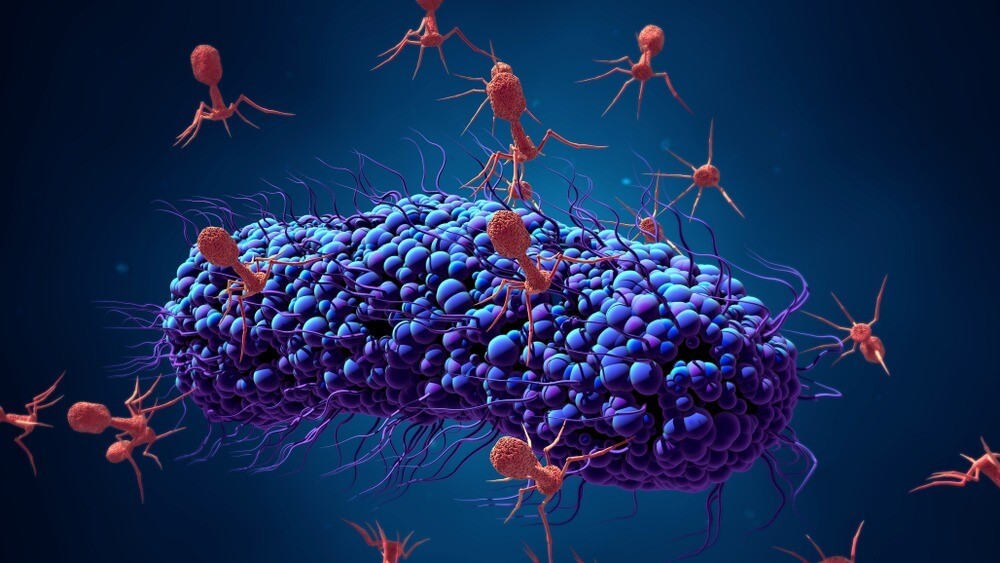
BACTERIOPHAGE · SCHEMATIC ILLUSTRATION
Why bacteriophages?
Antimicrobial resistance increasingly limits the effectiveness of conventional antibiotic treatments.
Bacteriophages are viruses that infect bacteria. When appropriately selected and developed, they can specifically inhibit the growth of particular bacteria or destroy bacterial cells.
Phages may therefore complement antibiotics in certain applications and provide a basis for alternative approaches in specific situations.
Isolation and characterisation
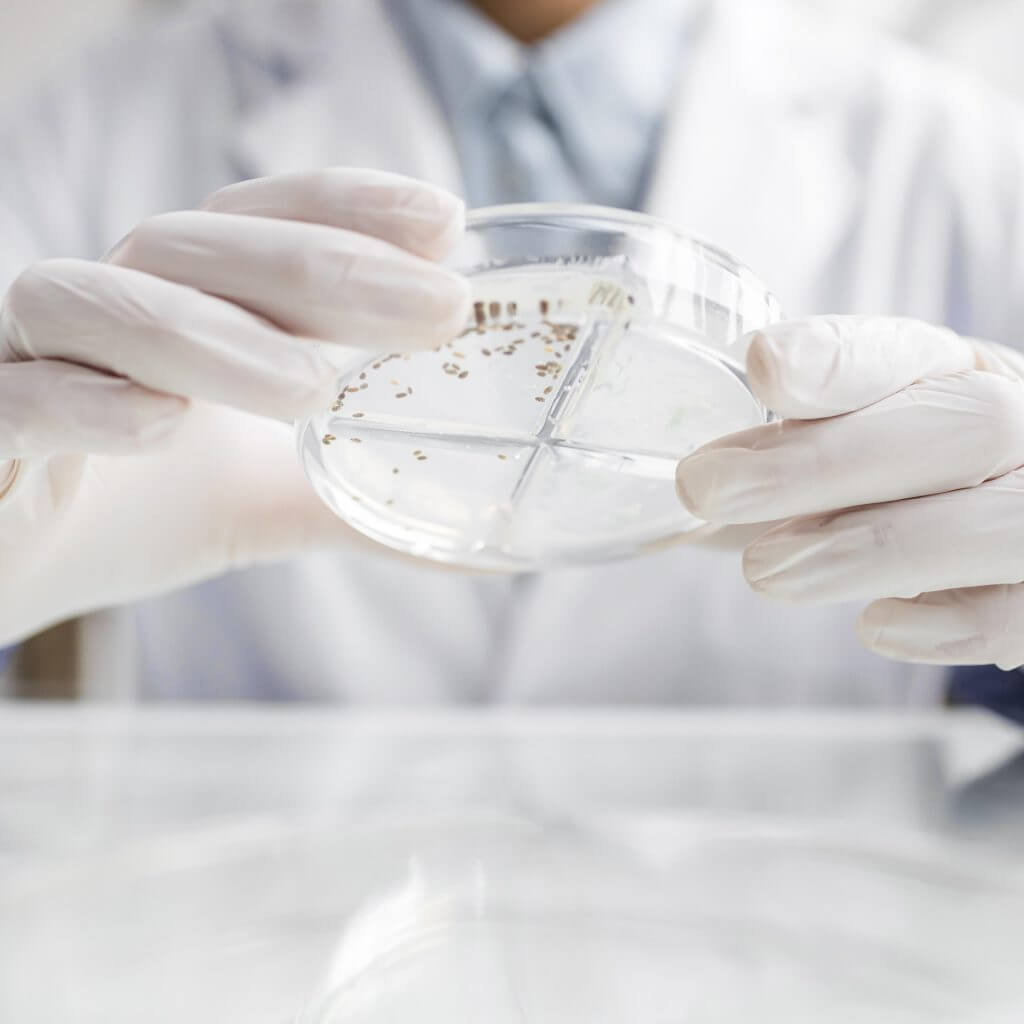
Isolation of new bacteriophages and investigation of their host range, phenotypic characteristics and genetic properties.
Phage and bacterial strain bank
Clinical, environmental and reference bacterial strains, together with more than 100 selected bacteriophages.
Phage cocktails
Development of targeted, multicomponent combinations for broader coverage of relevant bacterial strains.
Formulation
Development of formulations and protective matrix systems to support stability and practical use.
Scale-up
Development and scale-up of manufacturing processes, integrated into a reproducible technology platform.
Analytics and quality
Stability, activity and quality testing, together with the development of specifications and analytical methods.
Key bacterial targets
The development platform may be particularly relevant to programmes targeting multidrug-resistant bacteria, hospital-acquired infections, enteric bacterial problems in livestock production and Salmonella risks along the food chain.
Three focus areas, one development platform
Human health
Developments targeting difficult-to-treat bacterial infections, infections with a limited response to antibiotics and hospital-acquired infections.
Animal health
Developments targeting Salmonella, E. coli and Staphylococcus for flock and herd treatment, hygiene and food safety applications.
Agriculture and the food chain
Targeted biological control along the food chain and, in the longer term, against bacterial plant pathogens.
Developments targeting difficult-to-treat bacterial infections
One of the most important potential applications of bacteriophage development for human health is the treatment of infections that do not respond, or respond only to a limited extent, to antibiotics.
These may include infections caused by multidrug-resistant strains, recurrent bacterial diseases and hospital-acquired infections associated with healthcare settings.
Development of reproducible, well-characterised phage active substances
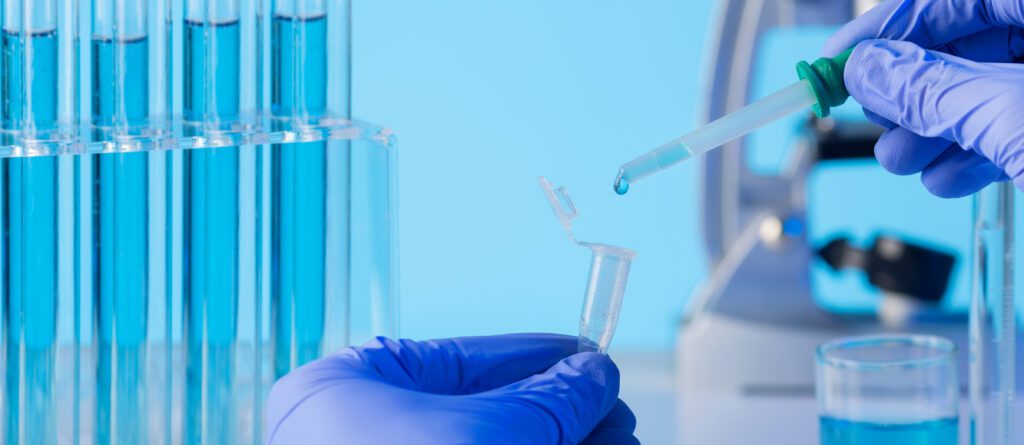
A key foundation of the development pathway towards human use is a phage active substance of appropriate quality that can be controlled and manufactured reproducibly.
Regulatory considerations
The development of bacteriophage therapy for human use requires appropriate quality, non-clinical and clinical evidence. Laboratory activity alone does not demonstrate suitability for human therapeutic use or clinical efficacy.
From the target pathogen to the clinical programme
Target pathogens
Identification of clinically relevant bacterial strains and therapeutic targets.
Phage selection
Isolation and characterisation of phages and assembly of suitable phage cocktails.
Formulation
Development of stable, manufacturable and controllable active substance and product formulations.
Preclinical development
Conduct of safety, pharmaceutical and preclinical studies.
Clinical trials
Clinical programmes designed for an appropriate patient population.
Regulatory strategy
Preparation of documentation and a development strategy aligned with regulatory requirements.
Targeted solutions against major animal health pathogens
The spread of resistant bacterial strains makes it increasingly important to reduce antibiotic use and develop alternative antimicrobial technologies.
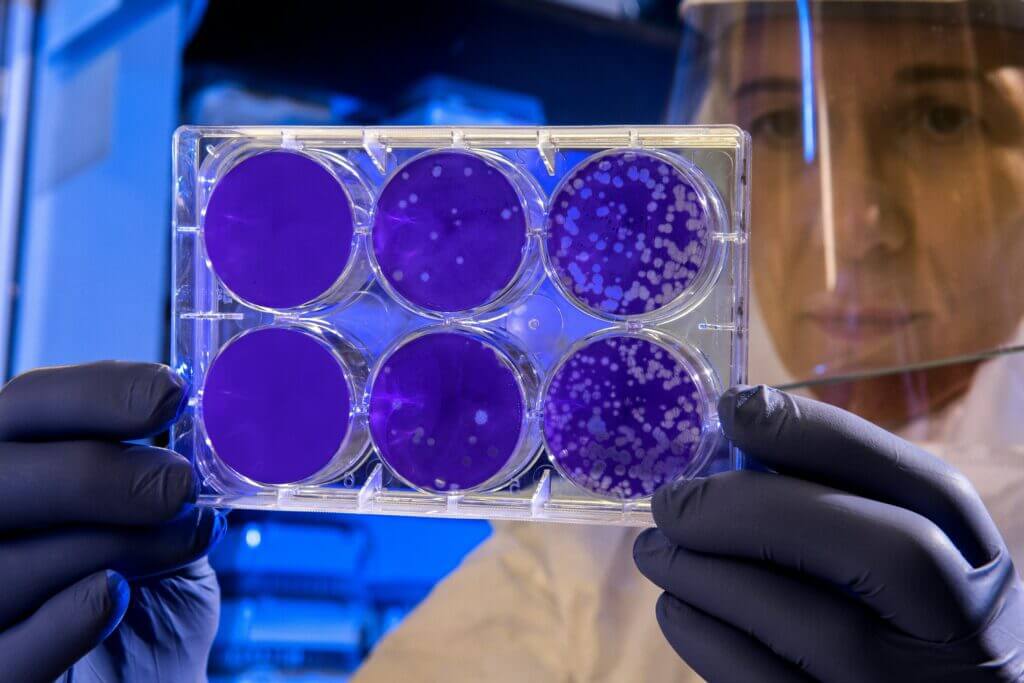
Fluart’s animal health development activities aim to create bacteriophage-based products for use against bacteria of economic, animal health and food safety significance.
Phage cocktails against Salmonella
Salmonella Infantis and Salmonella Enteritidis may pose animal health, food safety and public health risks simultaneously. Prevention is therefore a priority from the livestock rearing and production stages onwards.
Fluart has developed several bacteriophage cocktails targeting Salmonella Infantis and Salmonella Enteritidis. Multicomponent cocktails may enable coverage of a broader spectrum of bacterial strains.
Planned applications
- Treatment of broiler and laying flocks through drinking water
- Spray application on livestock farms
- Reduction of environmental Salmonella loads
- Targeted surface treatment in slaughterhouses and meat processing facilities
- Complementing existing cleaning and disinfection protocols
Efficacy: application-specific validation is required
The effectiveness of bacteriophage treatments is strongly influenced by the characteristics of the specific phage–bacterium–food or phage–bacterium–environment system. Demonstrating efficacy in the target animal species under the intended conditions of use is therefore a key element of development.
Oral administration and protection against acidic pH
The acidic environment of the stomach is a major technological challenge for orally administered phage products. The activity of many bacteriophages may decrease at low pH, directly affecting their practical applicability.
Fluart has developed a multicomponent protective matrix formulation to improve phage stability in acidic environments, helping a greater proportion of phages retain their infectivity during passage through the digestive tract.
Formulation development objectives
- Supporting the control of enteric Salmonella infections
- Practical implementation of flock and herd treatments
- Improving shelf life and technological stability
- Preparing applications as feed and drinking water additives
E. coli, Staphylococcus aureus and endolysins
Enteric E. coli
Targeted development opportunities relating to enteric E. coli infections in the poultry and pig sectors.
Staphylococcus aureus
Investigation of flock and herd hygiene applications and potential udder health applications.
Endolysin technology
Development approaches using bacteriophage enzymes that break down bacterial cell walls.
Bacterial mastitis – integrated Guide project
The GINOP_PLUSZ-2.1.1-24-2025-00012 project aims to develop an integrated professional guide and decision support system that brings development and application processes for tackling bacterial mastitis into a unified framework.
The Guide is a professional protocol system designed for cattle breeders, veterinarians, researchers and pharmaceutical manufacturers. It organises development steps, testing methods and decision points into an integrated decision tree, with particular emphasis on the combined use of bacteriophages and endolysins.
Biological control from production to processing
Agricultural applications may support the reduction of bacterial loads along the food chain and, in the longer term, the targeted biological control of bacterial plant diseases.
Fluart’s strongest current focus in this area is on the poultry sector, Salmonella control, and hygiene in slaughterhouses and meat processing facilities.
A targeted addition to hygiene systems
Phage applications in the food industry may specifically target bacterial load reduction in technological settings where supplementing existing hygiene processes is warranted.
- Environmental treatment on poultry farms
- Complementing slaughterhouse hygiene technologies
- Targeted surface treatment in meat processing facilities
- Reducing the spread of Salmonella throughout the chain
- Validation and monitoring of integrated hygiene protocols
An integrated approach
Bacteriophages do not automatically replace standard cleaning, disinfection, microbiological monitoring or good manufacturing practices.
Successful application requires phage treatment to be properly integrated into the biosecurity system of the farm or processing facility, with its effects supported by targeted studies.
Targeted phages against bacterial plant pathogens
Bacteriophages may also be developed as a potential biological crop protection technology to control specific bacterial plant pathogens.
International development programmes are investigating phage products against species of Xanthomonas, Pseudomonas, Ralstonia and Erwinia, among others. Fluart’s existing phage platform and formulation expertise may also provide a basis for such crop protection developments in the future.
Targeted isolation
Selection of bacteriophages active against plant-pathogenic bacteria.
Phage cocktails
Development of multicomponent systems to support an appropriate host range.
Application formulations
Formulations adapted for foliar treatment, irrigation or seed treatment.
Stabilisation
Systems that support stability against UV exposure, heat and desiccation stress.
Integrated pest management
Biological control solutions incorporated into integrated pest management systems.
Partner-based validation
Greenhouse and field validation programmes with agricultural partners.
Environmental stability is a key consideration
In plant environments, phage activity may be influenced by UV radiation, desiccation, temperature fluctuations, pH, rainfall, adhesion to leaf surfaces and the presence of the target bacterium, among other factors. Formulation and application technology are therefore central to development.
Collaborating on the development of next-generation bacteriophage solutions
Fluart seeks collaboration with clinical centres, microbiology laboratories, animal health and agricultural organisations, pharmaceutical development partners and research institutions to carry out validation, clinical or European Union development programmes.